
Sustainable Nutrition
Sustainable nutrition refers to a diet that meets the nutritional needs of individuals while being environmentally responsible, culturally acceptable, accessible, affordable, and safe.
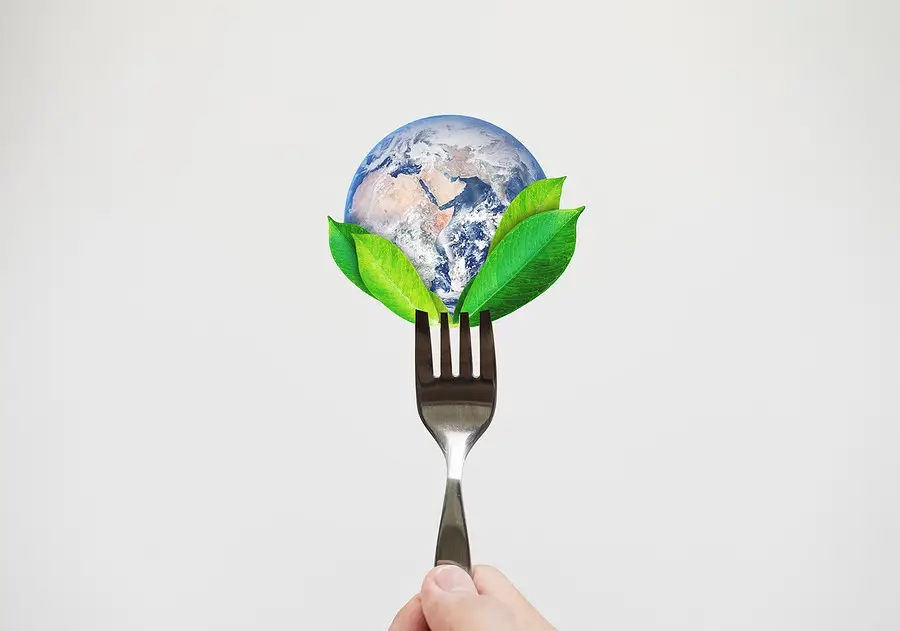
Sustainable nutrition goals
-
- Contribute positively to the health and well-being of individuals
-
- Prevent all forms of malnutrition, micronutrient deficiencies, overweight, and obesity
-
- Reduce the risk of chronic non-communicable diseases related to nutrition
-
- Have a positive impact on the environment
-
- Encourage the preservation of biodiversity



What is important for implementing sustainable nutrition practices?
It is important that every individual has easy and quick access to quality foods that are nutritious and free from harmful components. Food that forms the basis of sustainable nutrition has a lower greenhouse gas emission intensity. Rational use of resources is important, as well as raising awareness of the negative aspect of food waste.
Health aspects of sustainable nutrition:
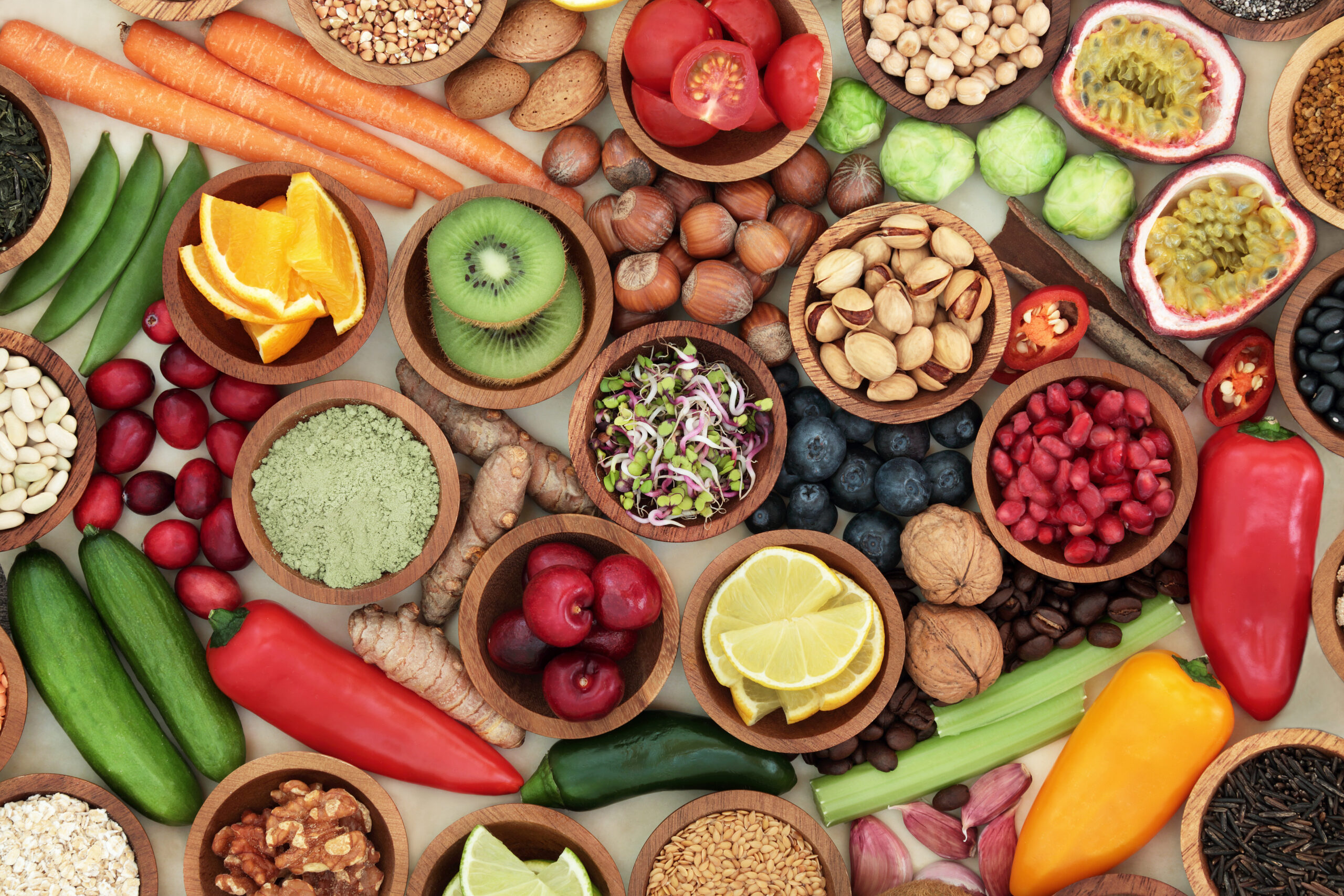
It is based on unprocessed or minimally processed food, balanced between different food groups, with limited consumption of highly processed food and beverages.
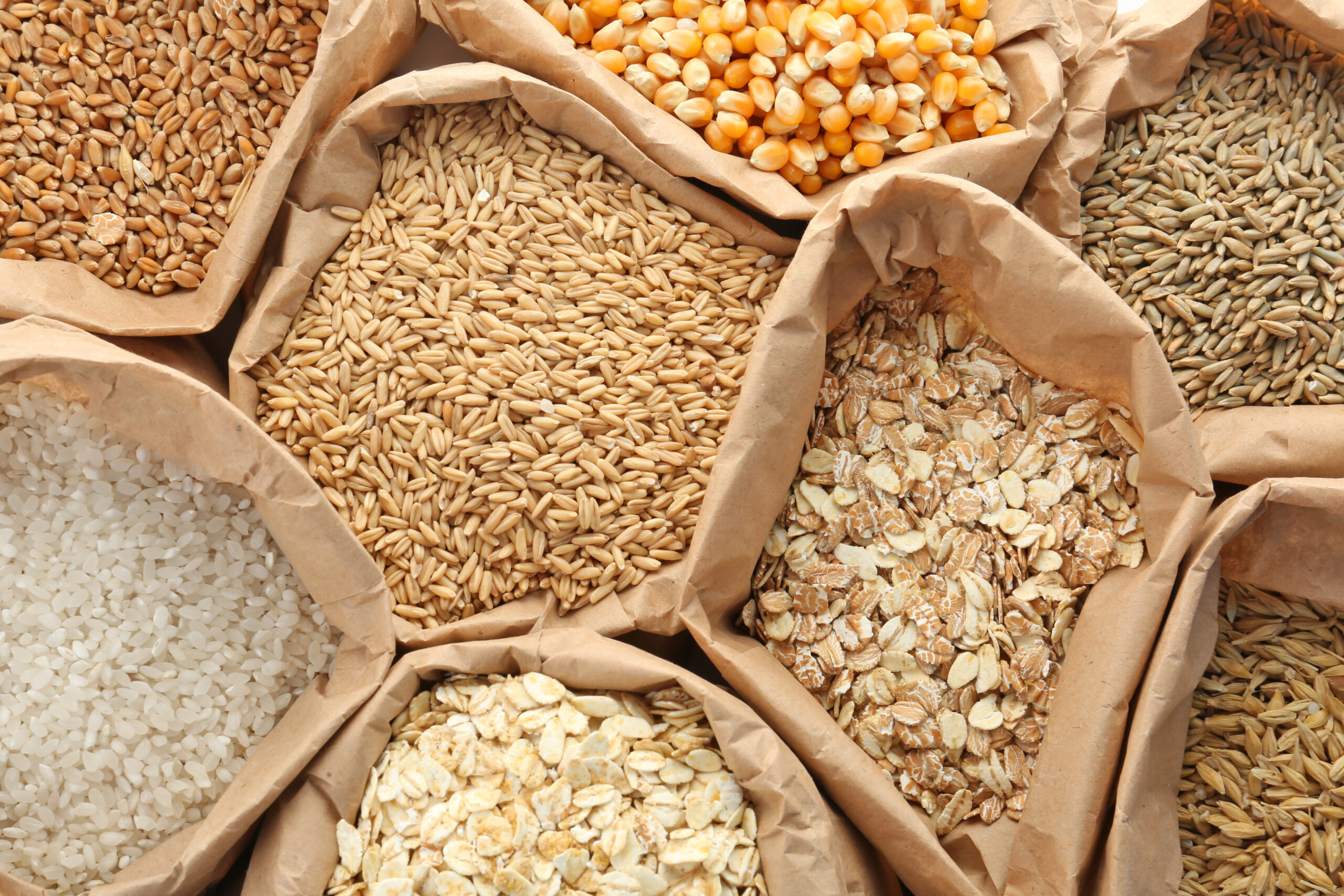
It includes whole grains, legumes, and nuts, and is rich in a wide variety of fruits and vegetables
It imply moderate consumption of eggs, dairy products, chicken and fish, and a small amount of red meat.
It follows WHO guidelines to help reduce the risk of nutrition-related chronic non-communicable diseases and support overall health and well-being
It provides appropriate levels of energy and nutrients to support growth, development, and an active, healthy life throughout the lifespan.

It promotes adequate hydration, with tap water as the preferred choice, alongside unsweetened teas and coffee, while reducing sugary drink consumption

Reduce food waste, especially of perishable fruits and vegetables.
Podravka follows the principles of sustainable nutrition and incorporates them into its products and the education of its consumers.
Foods and sustainable nutrition
Sustainable nutrition is based more on foods of plant origin and less on foods of animal origin. Whole grains, legumes, fruits, vegetables, nuts, and seeds are especially recommended. It includes adequate hydration, with plain tap water as the first choice, as well as unsweetened teas and coffee.
Red and processed meat, eggs and dairy products, fish and seafood (preference should be given to those from sustainable sources), foods rich in saturated fats, salt and sugar, sweets, and alcoholic beverages should be consumed in moderation.
More about foods
-
- Wheat, rice, corn, barley, oats, buckwheat, millet, rye, quinoa, amaranth, spelt, sorghum, bulgur.
-
- Whole grains are digested more slowly, providing the body with sustained energy and a long-lasting feeling of fullness.
-
- Grains are eaten in the form of kernels, flour, flakes, and their sprouts are also edible.
-
- Whole grains are a better option than processed (refined) grains because nothing is removed from them during processing – they retain all vitamins, minerals, and fiber and are therefore more beneficial for human health.
-
- Whole grains are digested more slowly, providing the body with sustained energy and a long-lasting feeling of fullness.
-
- Dry beans, dry peas, lentils, chickpeas, soybeans, broad beans.
-
- These plant-based foods, due to their abundance of protein, are considered an excellent substitute for meat. In addition, they are low in fat and rich in fiber, which makes them highly desirable as part of a proper diet.
-
- Almonds, hazelnuts, walnuts, pistachios, pine nuts, Brazil nuts, cashews, pecans, and macadamia nuts.
-
- Peanuts belong to the legume family, but due to their nutritional composition and other characteristics, they are often classified as nuts.
-
- Nuts contain healthy fats that are important for heart and blood vessel health and are rich in vitamins and minerals, including vitamin E, B vitamins, magnesium, chromium, zinc, and iron.
-
- They have a high energy value, but when consumed in moderation (25–30 g per day), they can have a beneficial effect on health without negatively affecting body weight.
-
- Choose a varied diet that emphasizes grains, fruits, vegetables, and their products, which form the basis of a healthy diet.
-
- Buy only what will be used, in order to avoid unnecessary food waste.
Reducing food waste
Did you know that in Croatia around 71 kilograms of food are thrown away per person each year? This amounts to more than 280,000 tonnes of food wasted annually. As much as 76% of this waste comes from households, compared to the European Union average of 53%.
Reducing food waste plays a key role in the fight against climate change. Food waste accounts for approximately 16% of all greenhouse gas emissions from the EU food system. According to the Food and Agriculture Organization (FAO), the production and transport of food that is ultimately discarded are responsible for around 8% of global greenhouse gas emissions.
In addition to environmental benefits, reducing food waste also helps households and businesses save money.
Food waste can be reduced by:
- planning meals and preparing only as much food as will be eaten
- using smaller plates and bowls to avoid serving excessively large portions
- freezing leftovers or using them to prepare new meals
- paying attention to recommended portion size on product labels to reduces overeating and food waste
- storing food properly, in accordance with the manufacturer’s instructions
- correctly interpreting food expiration labels and not discarding safe food immediately after the date has passed
- placing food with a shorter shelf life in a more visible place in the refrigerator and on shelves
- taking leftovers home from restaurants
- sharing food with family, friends, and colleagues.
Teach children not to waste food
- Children learn by example, which is why adults should show responsible attitudes toward waste, energy, and food in their daily habits.
- There is little point in teaching children about the importance of reducing food waste if they see you throwing away meal leftovers every day. Instead, involve them in cooking and show them how to eat the prepared meal until the end.
- If food is left over, teach them how to store it properly and reuse it in another meal.
- Talk to children about where food comes from and how many resources are involved in its production, packaging, transport, and preparation. From an early age, teach them to understand the importance of reducing food waste for the well-being of the planet.